
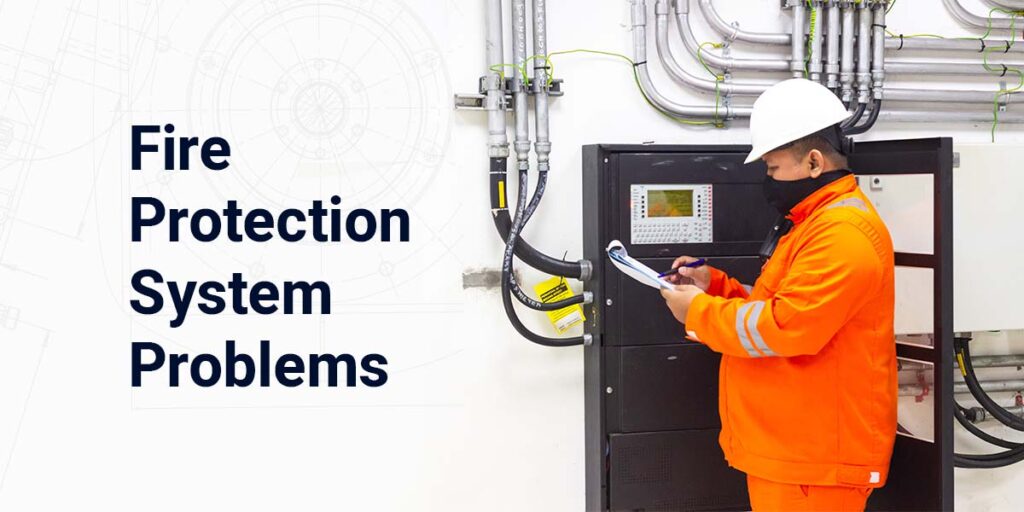
Problems with fire protection systems often appear months or years after installation, and many of these failures originate in the design phase. Routine maintenance can’t always solve vulnerabilities due to incompatible system integrations, lack of design considerations and mismanaged documents. When alarms fail or sprinklers malfunction, poor initial engineering decisions are typically the root causes. Professionals who understand the design risks can prevent system failures before construction begins.
Fire system failures range from minor nuisances to catastrophic losses. For instance, one dirty smoke detector may not be critical, but a closed control valve disables an entire system. Meanwhile, frozen pipes or pump malfunctions eliminate all fire protection. Learning the common issues can help you prevent them.
Fire alarm systems depend on sensors, control panels and notification devices working together. An issue in one area impacts the rest of the system. For instance, electrical wiring can become damaged over time, creating what’s called a ground fault in a fire alarm system. In this instance, electricity escapes through cracked insulation or wet connections and flows into the building structure instead of through the wires. When this occurs, alarms either stop working or ring constantly for no reason, which causes people to stop trusting them.
Smoke detectors also become less accurate as they age. They might start beeping at cooking steam or cigarette smoke when there’s no fire. Or worse, they might not detect actual smoke until a fire has grown dangerously large. Both problems require regular testing and component replacement to maintain system reliability.
Fire extinguishers are often your first line of defense during emergencies. However, these issues render them useless:
Cold weather easily damages pipes in vestibules, attics and building overhangs. When water freezes inside these pipes, it expands and ruptures the piping, disabling fire protection entirely. Fire pumps also fail when operators don’t monitor valve positions. When a pump runs while someone has closed the valve that lets water out, the pump works harder with nowhere for the water to go. Fire pumps overheat rapidly and break down as a result.
Poor water quality also poses problems. Water that sits still in pipes for long periods causes bacterial growth. These bacteria produce acidic waste that eats through the metal pipe walls. This damage continues until water starts leaking or until pressure tests show the pipes have weakened.
Fire suppression systems differ from sprinkler systems in their application. Sprinklers release water to cool and suppress fires, while suppression systems deploy agents, like gas or chemical foams, depending on hazard types. These systems are used in server rooms, kitchens and industrial facilities where water-based sprinklers won’t be effective. Problems emerge when you switch room functions without updating the constructed suppression system.
Emergency lighting systems illuminate exits during power failures. However, battery backup units degrade, and burned-out bulbs can go unnoticed until an emergency occurs.
Additionally, when renovations move walls and construction doesn’t include additional exit lighting, you create dark zones in escape routes that can violate code requirements and endanger occupants. Plans for exit illumination must be based on current layouts, not original construction documents.
While equipment ages and requires replacement, many fire protection system problems stem from design, installation and maintenance errors.
Design flaws in a fire protection system create problems that persist throughout a building’s life cycle. Common engineering oversights include:
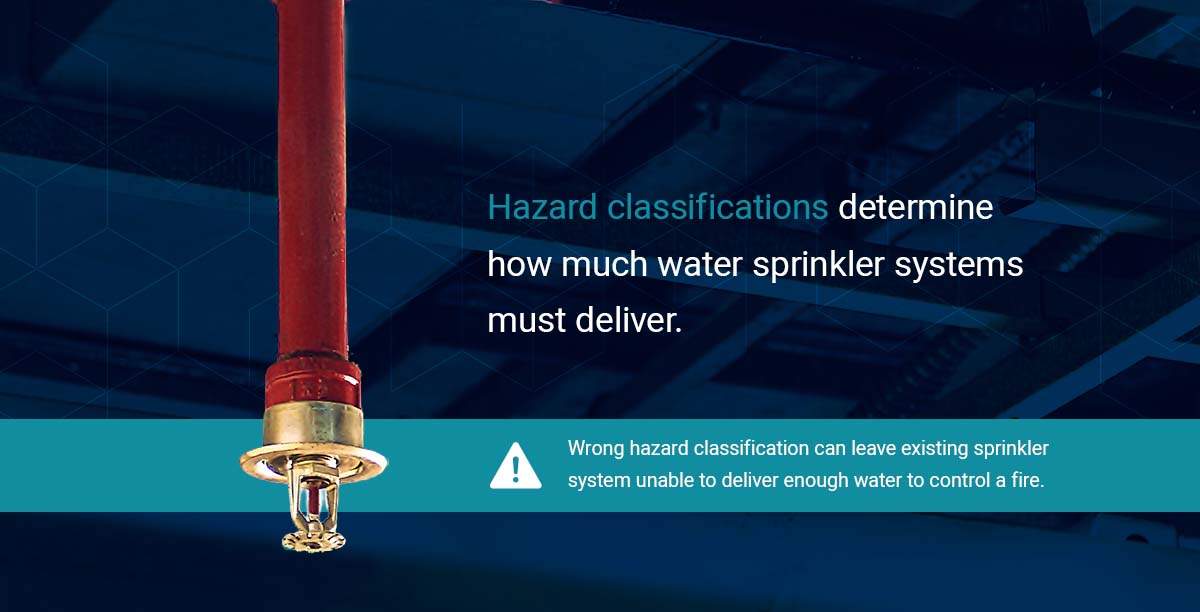
Designs fail when installation doesn’t match engineering specifications. For instance, improper pipe sloping allows water to accumulate in low spots where it freezes, even in systems designed with adequate freeze protection. Trapped water also accelerates corrosion and promotes bacterial growth.
Additionally, fire protection systems undergo rigorous testing and certification as complete assemblies. Substituting uncertified valves, fittings or devices voids these listings and creates unknown performance characteristics. These fire safety mistakes often remain hidden until incident investigations reveal unauthorized components.
Building owners frequently confuse testing with maintenance. Activating the fire alarm to verify audibility doesn’t constitute comprehensive maintenance — it merely confirms that the speakers function. Actual maintenance includes inspecting wire insulation, testing sensor sensitivity, verifying control panel programming and checking backup power supplies.
Sprinkler system maintenance requires examining pipe hangers, testing valve operability, analyzing water quality and exercising pump components. Many facilities meet minimum testing requirements but skip preventive maintenance that extends equipment life and ensures reliable operation.
Missing or incomplete documentation creates serious operational risks. For instance, without as-built drawings, future renovations risk starting without knowing the actual pipe locations and system routing. This lack causes contractors to work aimlessly, leading to accidental damage, conflicts and compromised system integrity.
Prevention requires proactive engineering combined with life cycle planning. Three fundamental practices can mitigate common fire protection system problems:
Fire protection system failures are avoidable. When you partner with CSI Engineering, you work directly with our principal engineers — experienced professionals who remain hands-on throughout your project from initial concept through final commissioning. This involvement level is rare in the field, and it ensures that your fire protection system is reliable and meets cost targets and efficiency goals.
Our team has over 25 years of experience serving architects, developers, government entities and facility managers. We understand the complexities of MEP and FP coordination and specialize in designing systems that work as intended from day one.
Request a proposal today to get started.